Compare Local Contractors for Tree Curbing Installation Services
Compare local contractors for tree curbing installation to define project scope, verify experience, and establish clear expectations for a successful job.
Tree curbing installation involves creating a defined border around landscaped areas, often to contain mulch, prevent grass encroachment, or enhance the visual appeal of a property. This work typically covers selecting appropriate materials, preparing the ground surface, and installing the curb to ensure durability and aesthetic consistency. Property owners should consider the scope of the project, including the size of the area, the type of materials used, and any specific design preferences, to communicate clear expectations with contractors and ensure the work aligns with their landscaping goals.
Defining the scope of a tree curbing project is essential for obtaining accurate information from contractors and avoiding misunderstandings. Clarify the extent of the installation, including the perimeter length, material choices, and any additional features such as decorative elements or integrated lighting. Having these details in writing helps property owners compare bids effectively, assess the experience of different service providers, and select a contractor who understands the specific requirements of the project. A well-defined scope also facilitates smoother communication throughout the work process.
When evaluating local contractors for tree curbing installation, property owners should consider experience, reputation, and the ability to deliver on specific project needs. Checking references or reviews can provide insights into a contractor’s past work and reliability. It’s advisable to verify that the service providers have experience with similar projects and can provide detailed proposals that outline the scope of work, materials, and methods. Comparing these proposals side-by-side allows property owners to identify the most suitable contractor for their landscape and ensures that expectations are clearly documented before any work begins.
Compare local contractors by outlining project priorities, verifying experience, and setting clear expectations in writing.
- Compare Contractor Experience - review the backgrounds and project history of local contractors to ensure they have relevant experience in tree curbing installation.
- Define Project Scope Clearly - outline the specific details and expectations of the job to prevent misunderstandings.
- Verify Credentials and References - check references and past work to assess the reliability and quality of local service providers.
- Document Agreements in Writing - establish clear, written agreements that specify the scope of work and responsibilities before work begins.

Clearly describe your Tree Curbing Installation project to help local contractors compare options and define scope effectively.
- Verify the contractor’s experience with tree curbing installation to ensure familiarity with the scope of work. - Confirm that the service provider can clearly define the project scope and deliverables in writing.
- Compare multiple local contractors to assess their expertise and reputation in tree curbing services. - Look for reviews or references that demonstrate consistent quality in similar projects.
- Ensure the contractor provides a detailed written estimate outlining the work to be performed. - Clarify what materials, methods, and responsibilities are included in the scope.
- Discuss the project scope thoroughly to align on expectations and specific requirements before work begins. - Make sure all details are documented to prevent misunderstandings.
- Check that the local contractor adheres to safety standards and best practices during installation. - Confirm that they follow appropriate procedures for the protection of surrounding landscape and property.
- Request a written contract that specifies project scope, responsibilities, and any warranties or guarantees offered. - Ensure all agreements are documented to protect both parties.
Compare local contractors' experience and clarify project scope to ensure a successful tree curbing installation.
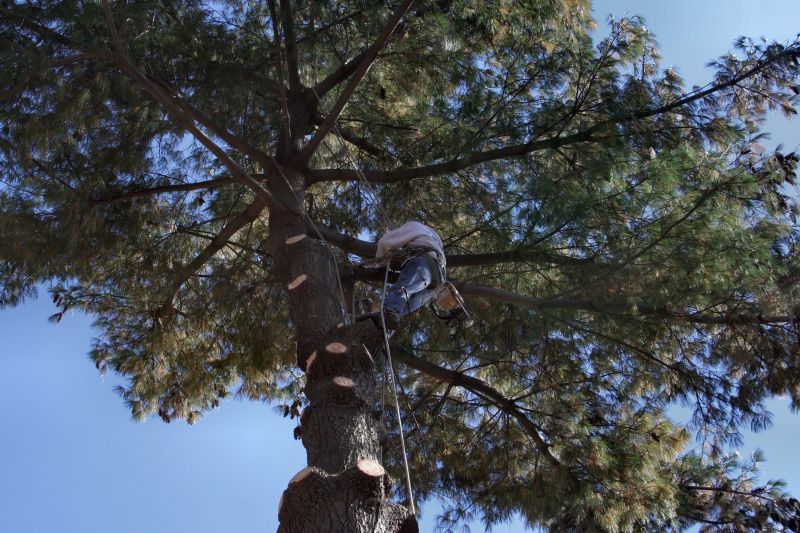
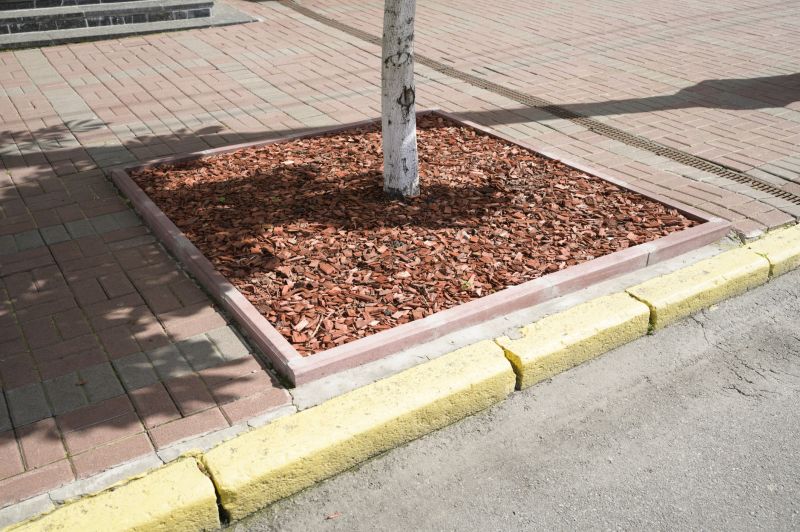
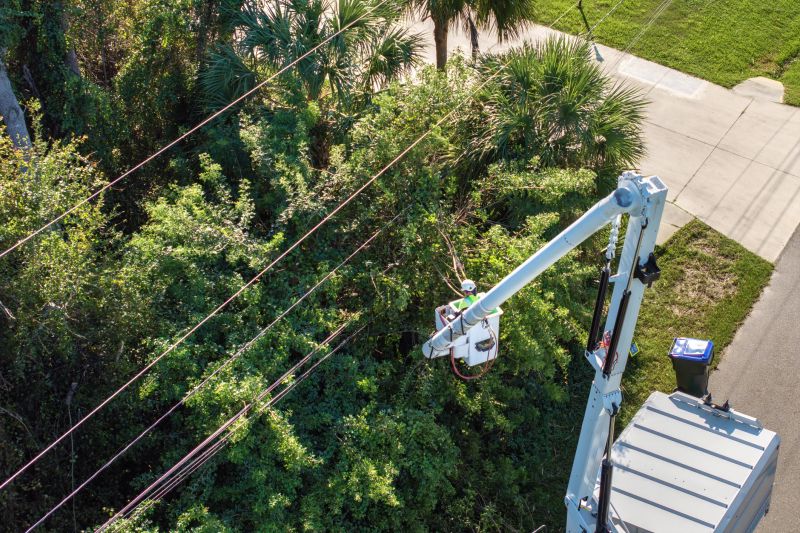
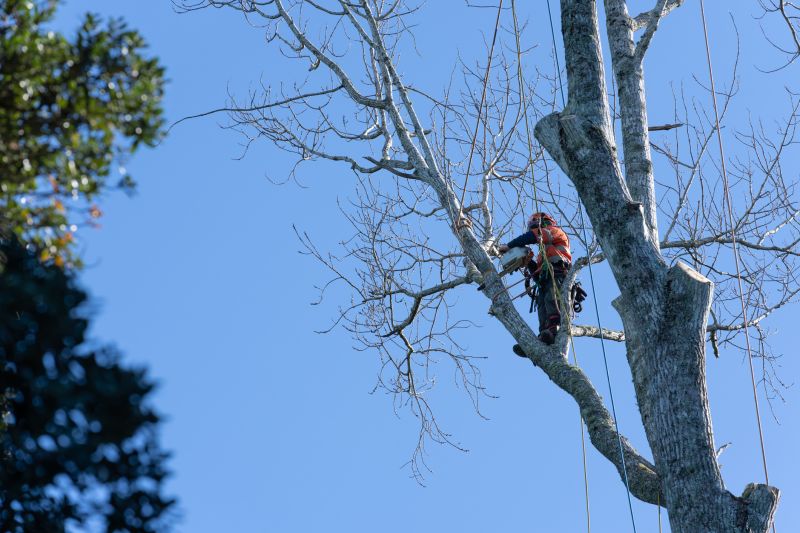
Learn how to compare local contractors, define project scope, verify experience, and set clear expectations in writing.
- Scope Definition - Clearly outline the specific tasks and materials involved in the tree curbing installation project.
- Experience Verification - Confirm that local contractors have relevant experience with tree curbing installation projects of similar scope.
- Material Specifications - Specify the types of materials to be used and any desired design features for the curb.
- Work Area Preparation - Determine the boundaries of the work zone and any site preparation requirements.
- Written Agreement - Ensure all project details, expectations, and responsibilities are documented in a formal agreement.
When comparing contractors for tree curbing installation, it’s important to consider their experience with similar projects. Homeowners should inquire about the types of tree curbing work they have completed and seek details on the scope of those projects. A contractor with a history of handling tree curbing installations in environments comparable to the site-whether residential, commercial, or landscaped areas-can demonstrate familiarity with the unique challenges and requirements of such work. Verifying the contractor’s background in similar projects helps ensure they possess the practical knowledge needed to deliver quality results.
Clear, written scope of work is essential when evaluating options. Homeowners should request detailed descriptions of what each contractor’s service includes, covering aspects such as materials used, installation procedures, and any preparatory or finishing work. A comprehensive scope helps prevent misunderstandings and provides a basis for comparing what each service provider offers. Ensuring these details are documented in writing allows for straightforward reference and helps set accurate expectations for the project’s deliverables.
Verification of a contractor’s credentials and experience should be a key step in the selection process. Homeowners can ask for references or examples of completed projects similar to theirs, and may consider seeking out reviews or testimonials from previous clients. Confirming that the contractor has a solid track record with tree curbing installation provides confidence in their ability to perform reliably. It’s also helpful to verify that the contractor follows industry best practices for site preparation, installation, and finishing, which can influence the longevity and appearance of the curb.
Finally, homeowners should carefully evaluate and compare the options based on the information gathered. This involves reviewing the scope of work, experience, and references for each service provider, and assessing how well their offerings align with the project’s specific needs. A thorough comparison helps identify the contractor who demonstrates professionalism, clarity, and a solid understanding of the work involved. By focusing on these factors, homeowners can make an informed decision that supports a successful tree curbing installation, with clear expectations set from the outset.
Request written scope details from local contractors to ensure clear expectations and consistent project understanding.
- Experience and Qualifications - What specific experience do local contractors have with tree curbing installation projects?
- Scope of Work - How do contractors define and clarify the scope of the tree curbing installation before starting?
- Materials and Techniques - What materials and installation methods do local service providers recommend for durability and effectiveness?
- Project Expectations - How do contractors document project details and expectations in writing to ensure clarity?
- Comparison Criteria - What factors should be used to compare and evaluate different local contractors' approaches and expertise?
What should be included in a scope of work for tree curbing installation? A clear scope of work should specify the extent of the curb installation, materials to be used, and any preparatory or cleanup tasks to ensure both parties understand project expectations.
How can I verify the experience of a contractor for tree curbing projects? You can review their previous work, ask for references, or check for any relevant project portfolios to assess their experience with similar installations.
Why is it important to compare multiple contractors for tree curbing installation? Comparing different service providers helps evaluate their approaches, experience, and scope of work, ensuring a well-informed decision aligned with project needs.
What questions should I ask when evaluating potential contractors? Inquire about their previous experience, the materials they recommend, how they handle project scope, and whether they provide detailed written estimates or proposals.
How can I ensure a contractor understands my expectations for tree curbing installation? Clearly communicate your project goals and ask for a written proposal that outlines the scope, materials, and responsibilities to avoid misunderstandings.
What is the benefit of having a detailed written agreement with a contractor? A written agreement helps define project scope, responsibilities, and expectations, providing clarity and protection for both parties throughout the installation process.
Understanding the key aspects of tree curbing installation can help in making informed decisions. Visitors have learned how to define the scope of the project, verify the experience of service providers, and set clear expectations through written agreements. Comparing options among local contractors enables choosing the best fit for specific needs, ensuring the process is straightforward and transparent.
Encouraging a thorough comparison of local contractors can lead to finding the right service provider for tree curbing installation. Using the quote form allows for easy access to multiple local options, helping to evaluate each one based on experience and scope of work. Taking this step supports making well-informed choices aligned with individual project requirements.